


Missouri Uber Requirements: Driver, Vehicle, and Inspection Rules Explained
If you’re planning to drive for Uber in Missouri, there’s more to prepare for than just downloading the app. Missouri Uber requirements come from two distinct sources: state law governing Transportation Network Companies (TNCs) and Uber’s own platform policies. These don’t always align, and the gap between them is exactly where many aspiring drivers get tripped up.
Missouri has built a statewide regulatory framework for rideshare drivers, but Uber often sets the bar higher. Knowing which rules apply, when they apply, and how they interact will save you from getting rejected during onboarding or discovering compliance issues after you’ve already made plans to start driving.
Missouri Uber Requirements at a Glance: State Law vs. Uber’s Own Rules
Missouri’s TNC regulations establish minimum standards covering driver eligibility, vehicle condition, and insurance obligations. These rules apply to any rideshare company operating in the state.
What makes this more complicated is that Uber layers its own requirements on top of state law. Uber’s internal policies often exceed state minimums, particularly on age, driving history, and vehicle condition. That means you can technically satisfy Missouri law and still fail to qualify as an Uber driver. Understanding both frameworks together is the only way to get a clear picture. If you’re already thinking about which vehicle to drive, browse our current used inventory to see rideshare-friendly options available now.
Driver Eligibility: Age, Experience, and License Requirements
Missouri’s TNC statute and Uber’s platform policy both define who qualifies to drive, but they don’t always draw the same lines. Eligibility starts with your age, your licensing history, and the condition of your driving record.
Missouri TNC Law vs. Uber’s Age Policy
Missouri’s TNC law does not set a specific minimum driver age. That threshold comes from Uber directly. As of current Uber platform rules, drivers in Missouri must be at least 25 years old. Missouri law defers this standard to the platform, so Uber’s rule is the one that matters in practice.
Driving Experience Thresholds by Age
Eligibility doesn’t stop at age. Uber also evaluates how long you’ve held a valid driver’s license, and that threshold varies depending on how old you are. Drivers need at least one year of licensed U.S. driving experience. Missouri requires drivers to be at least 25 years old, so there is no Uber-approved pathway for drivers under 25 in this state. These are Uber platform rules, not Missouri statutory requirements.
Valid Driver’s License and Driving Record Standards
A valid U.S. driver’s license is a basic requirement to drive with Uber. Beyond simply holding a license, your record needs to be clean. Uber reviews your history for major violations, including DUIs, reckless driving charges, and hit-and-run incidents. A pattern of minor violations can also raise flags during screening.
Missouri requires rideshare drivers to maintain a license in good standing, and Uber reinforces this by disqualifying applicants whose records reflect patterns of unsafe driving. A profile photo is also required as part of the Uber driver application.
Background Check Requirements for Missouri Uber Drivers
Every driver who applies to Uber in Missouri goes through a background check, and this is non-negotiable. Uber uses third-party screening companies to review both criminal history and driving records. On the criminal side, disqualifying offenses include violent crimes and sexual offenses, along with certain theft-related convictions. Driving-specific disqualifiers include DUI convictions, serious moving violations, and license suspensions.
Missouri law also mandates that TNC companies conduct background checks on all drivers before they begin accepting rides, so this isn’t just an Uber policy; it’s a legal requirement. If your background check reveals a disqualifying item, Uber will notify you and provide information through its dispute process.
Vehicle Requirements and Inspection Rules in Missouri
The vehicle you drive matters as much as your qualifications as a driver. Missouri Uber requirements establish clear vehicle standards, and meeting them is a prerequisite to approval.
Vehicle Age, Condition, and Model Options
Uber does not allow cars more than 15 years old on its platform. Driving in 2026 means your vehicle must be a 2012 model year or newer. Uber can apply tighter windows for specific markets, so confirm the current requirement for your city before applying.
Your vehicle must be in good working condition, free of significant cosmetic damage, and equipped with functioning safety features including working seatbelts for all passengers, doors, windows, and mirrors. Mileage isn’t a formal disqualifier under Uber’s standard policy, but a high-mileage vehicle showing significant wear can still be rejected during a condition check.
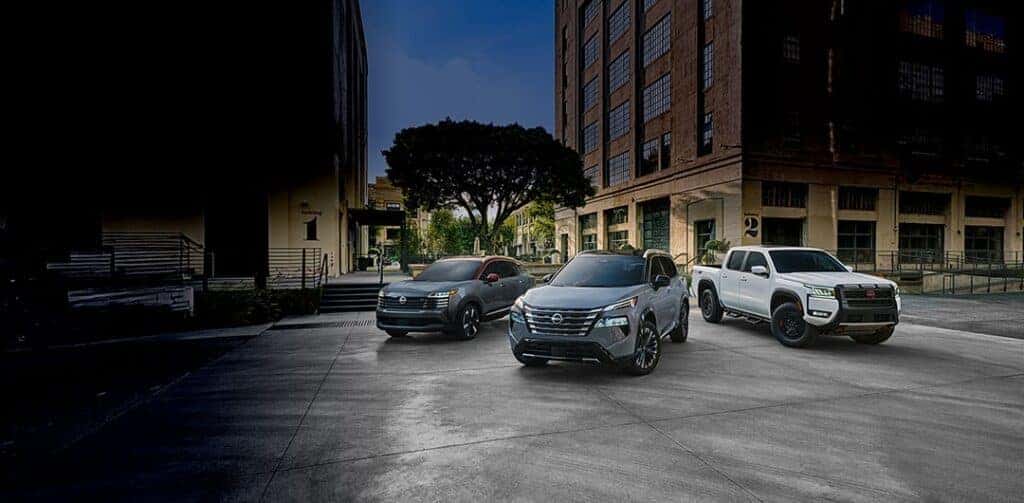
Several Nissan models work well for rideshare use. The Altima and Sentra are efficient sedans with solid reliability records and the passenger comfort riders expect. Drivers who want higher-capacity options will find the Pathfinder and Armada offer additional seating and cargo space that can qualify for larger-vehicle service tiers.
Missouri Vehicle Inspection Requirements
Missouri is one of the few states that does not require a vehicle inspection for Uber drivers. No vehicle inspection is required to become an Uber driver in Missouri. Whether Uber requires ongoing re-inspections on a set schedule in Missouri is worth confirming directly with Uber before you apply, as platform requirements can change.
Staying current on routine maintenance makes passing these inspections straightforward. Our service department is a convenient St. Louis-area option for getting your vehicle inspection-ready. Schedule a service appointment before you apply.
Insurance Requirements for Missouri Rideshare Drivers
Insurance is one of the most important and frequently misunderstood aspects of Missouri Uber requirements. Missouri ties coverage obligations to the phase of the trip, based on where you are in the pickup and drop-off process rather than simply whether someone is in the car.
State-Mandated Liability Coverage During Active Rides
Missouri’s Transportation Network Company Act requires that coverage be active while a driver is logged on to the TNC’s digital network or while engaged in a prearranged ride. During an active, prearranged ride, Missouri law requires primary liability coverage of at least $1,000,000 covering death, bodily injury, and property damage. Uber’s commercial policy meets this requirement while a driver is engaged in a trip.
During the period when a driver is logged in but hasn’t yet accepted a ride, Missouri law mandates primary liability coverage minimums of $50,000 per person for death or bodily injury, $100,000 per incident for death or bodily injury, and $25,000 for property damage. This coverage can be provided by the driver’s insurance, Uber’s insurance, or a combination of both. Missouri law mandates that some level of coverage must be active during this phase as well, so there is no uninsured gap in protection as long as you understand when each coverage tier applies.
Rideshare Insurance Gaps to Know Before You Drive
Your personal auto insurance policy almost certainly excludes commercial rideshare activity. If you’re logged into the Uber app and get into an accident before accepting a ride, your personal policy may deny the claim. The practical fix is a rideshare endorsement added to your personal policy, or a dedicated rideshare insurance policy. Missouri doesn’t require this product by name, but the state’s phase-based coverage mandate means you need to be covered throughout your entire shift. Being logged on and unprotected between rides is a real exposure, not a theoretical one.
Missouri Preempts Local Rideshare Ordinances — With One Exception for St. Louis Drivers
Missouri legislation preempts local rideshare ordinances, meaning cities and counties cannot impose their own driver or vehicle requirements that conflict with or supplement state TNC rules. For Uber drivers in St. Louis, this mostly simplifies things; no separate city permits, no additional local licensing requirements to track.
One area worth knowing: St. Louis Lambert Airport pickups operate on a first-in-first-out (FIFO) queue, where drivers wait in a designated staging area near Lot C, across from Dollar Rent A Car on Cypress Road. These staging and pickup rules can change independently of state or platform policy, so check Uber’s current operational guidance for Lambert Airport before your first airport pickup.
Rideshare Driver Checklist: Documents and Steps to Get Approved in Missouri
Getting approved to drive for Uber in Missouri requires some preparation. Before submitting your application, confirm the following:
- You are at least 25 years old (Missouri’s minimum age requirement for Uber drivers)
- Your driver’s license is current and your record is free of disqualifying violations
- Your personal auto insurance is current and covers the vehicle you plan to drive
- The vehicle is registered in your name or authorized for rideshare use
- Your vehicle is no more than 15 years old and in good mechanical and cosmetic condition
- You have a Social Security number available for the background check
- You have a clear, current photo ready for your driver profile
Once you submit, Uber initiates the background check and vehicle review. Most drivers hear back within a few days to a couple of weeks. Staying responsive to any requests for additional documentation speeds up the process.
Find a Rideshare-Ready Vehicle at AutoCenters Nissan
If your current vehicle doesn’t meet Uber’s year or condition standards, or if you’re ready to start fresh, we’re here to help. AutoCenters Nissan serves the greater St. Louis metro area with a broad selection of new and pre-owned vehicles. The Altima and Sentra are strong picks for drivers prioritizing fuel efficiency and durability. If you need more passenger capacity, the Pathfinder and Armada are worth a look.
We offer a 30-day return policy on qualifying vehicles and in-house financing for a range of credit situations. Explore our new Nissan inventory or browse used vehicles to find a rideshare-ready option that fits your budget.
Have questions about what qualifies? Contact us and we’ll point you in the right direction.
0 comment(s) so far on Missouri Uber Requirements: Driver, Vehicle, and Inspection Rules Explained